Why Brand Guidelines Make Marketing Easier for Small Businesses
When people think about creativity, they often imagine complete freedom: A blank page. Unlimited possibilities. No rules.
But after more than a decade of designing brands and websites, I've found the opposite to be true when designing for business.
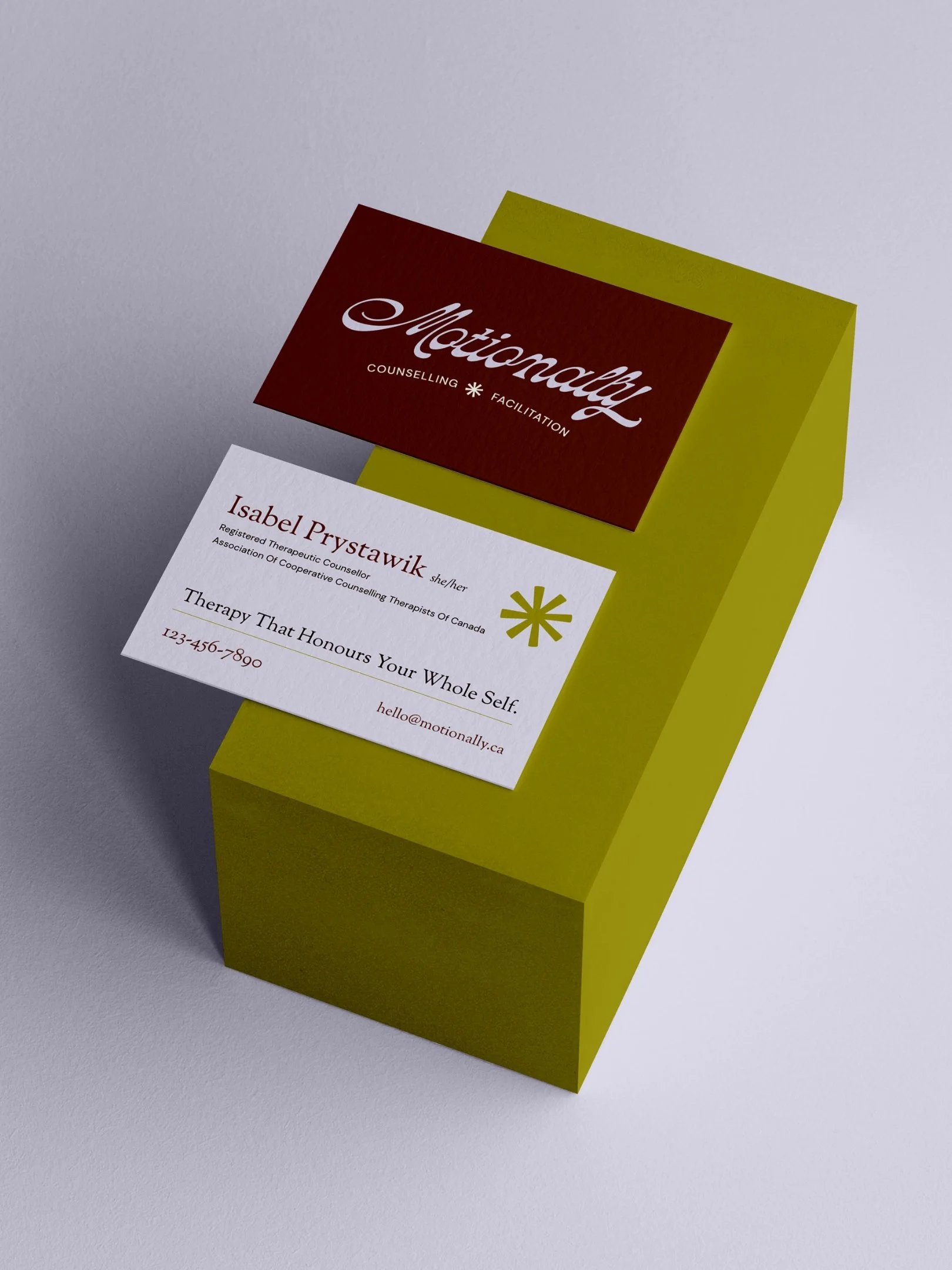
The projects that feel the easiest, most cohesive, and most creative are rarely the ones with endless options. They're the ones built on a strong foundation with a clear brand identity, a thoughtful website structure and a style guide that removes guesswork.
Structure is what makes creativity sustainable.
The Myth of Endless Choice
Many business owners come to branding believing more options will create a better result.
More fonts. More colours. More layouts. More directions.
At first, it feels empowering but eventually, it becomes exhausting.
Every Instagram graphic becomes a decision. Every website update becomes a debate. Every new piece of marketing starts from scratch.
Without structure, you're forced to repeatedly answer the same questions:
What colour should this be?
Which font should I use?
Does this feel like my brand?
Where should this content go?
The result is decision fatigue, confusion, time wasted, and less impactful designs.
Why Structure Matters
A strong brand identity isn't just a collection of assets.
It's a decision-making system.
When your colours, typography, imagery, voice, and visual hierarchy are clearly defined, you stop reinventing the wheel every time you create something.
You already know what fits and what belongs. Instead of spending your energy making dozens of small decisions, you focus on the message itself.
This is why the strongest businesses appear incredibly consistent online, they don't spend a hundred hours a week on Canva, they have strong systems in place and they follow their guidelines.
The Same Principle Applies to Websites
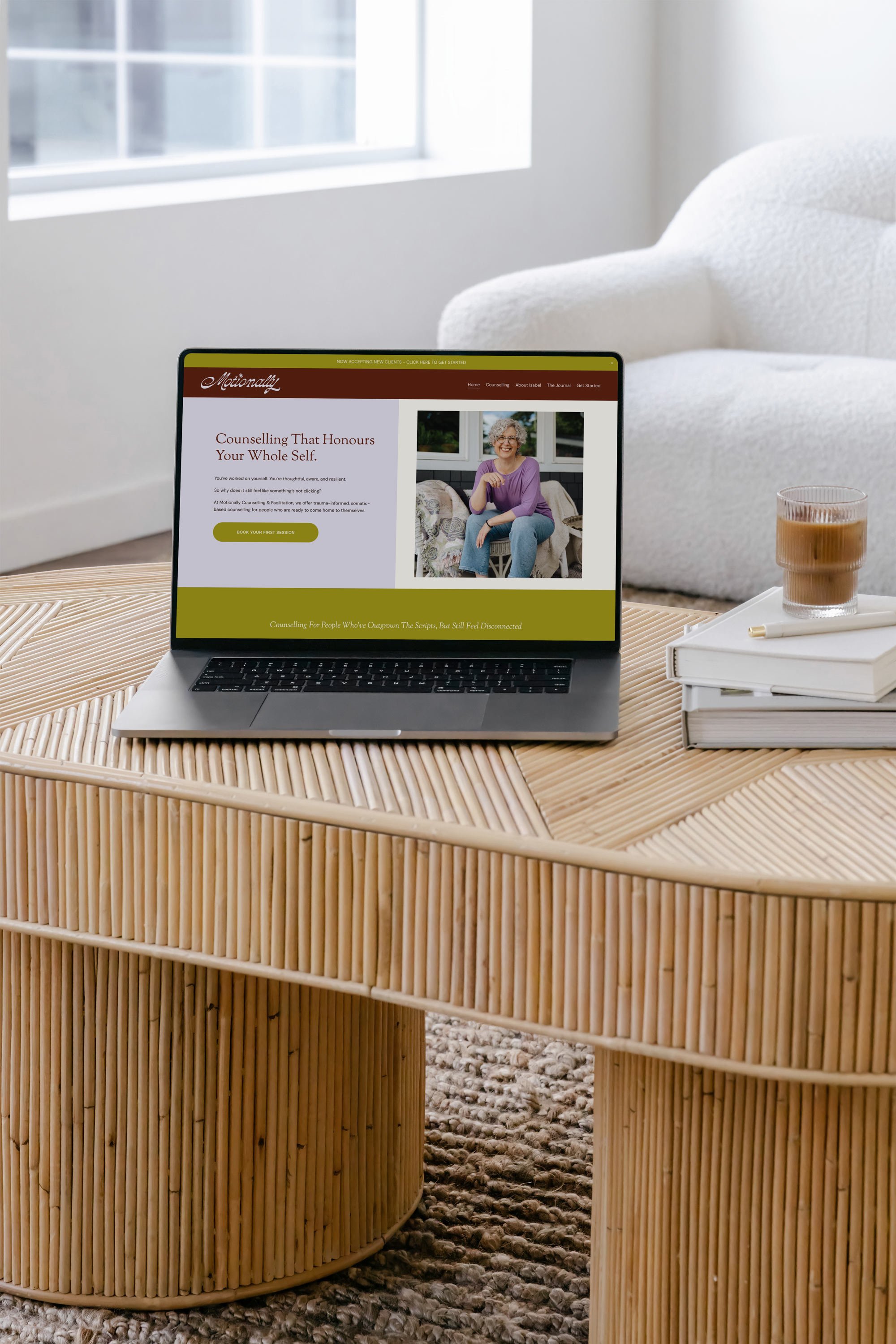
Visitors know where to look. Information is easier to find. Updates become simpler. The design feels intuitive because it follows the cues of the websites that came before.
Instead of wondering what to do, or reaching out to your designer every time your business evolves, you already have a framework that supports growth. You have a consistent header, you have repeatable sections, you know the language that your audience resonates with.
Rather than starting from a blank page, you start with a guide book and just follow the steps.
This is also one of the reasons website templates are so effective. They remove unnecessary decisions and get straight into the good stuff. You spend your time thinking about how you want to tell your story rather than what size and colour your type should be.
The best templates provide structure while still leaving room for personality, messaging, imagery, and audience-specific positioning, so you get to focus on what you actually know and do best.
Structure Creates Confidence
One of the most overlooked benefits of structure is confidence. When your brand identity is clear, you stop second-guessing yourself, you don't need to constantly compare your website to competitors, you don't chase every design trend, you don't wonder whether each Instagram post "matches."
You have a framework. The energy that once went toward decision-making can now go toward creating.
Consistency Builds Trust
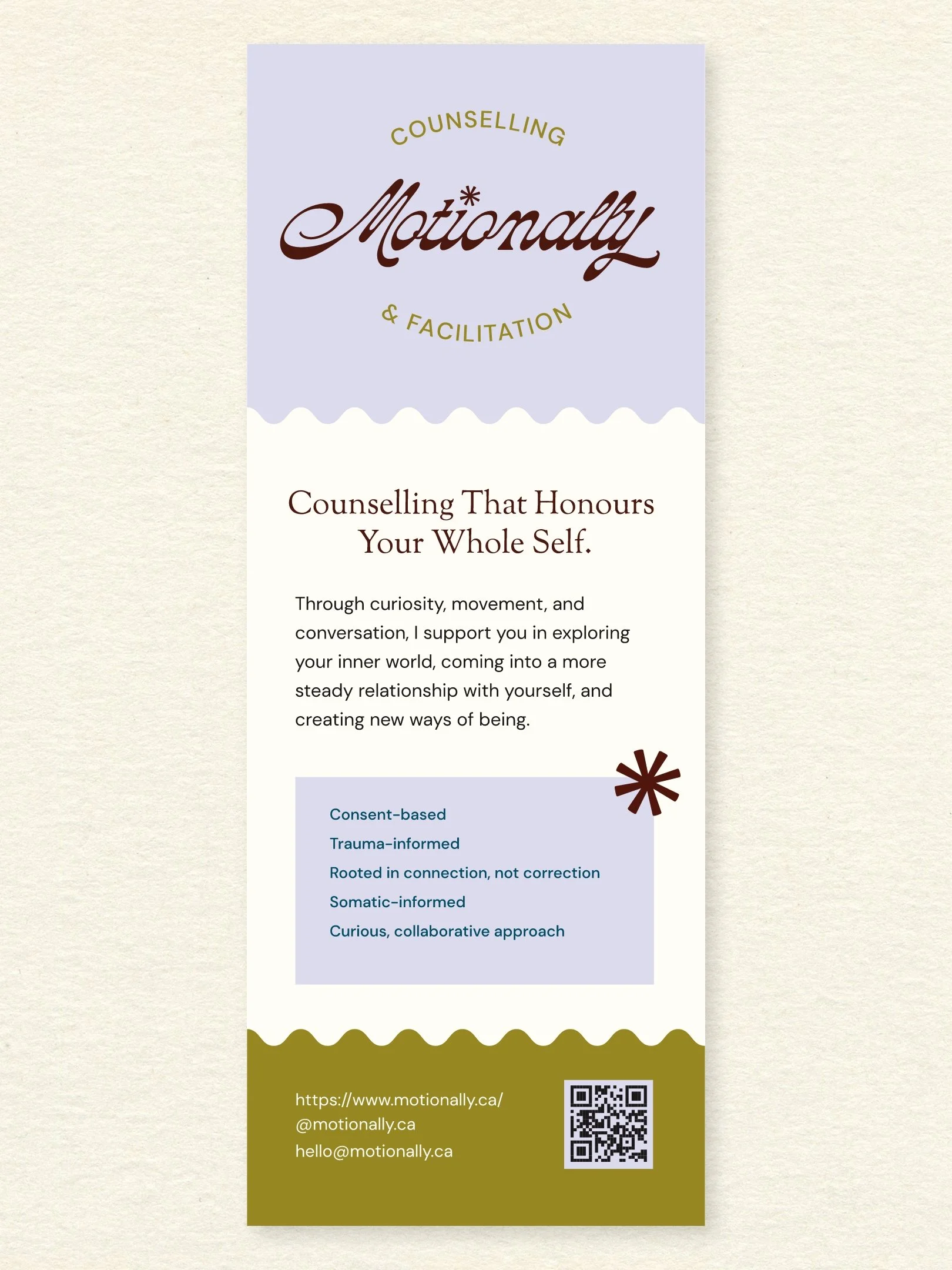
One of the biggest benefits of having clear brand guidelines and website structure is the experience you create for your audience.
When people encounter your business online, they're making quick judgments about whether you feel credible, professional, or trustworthy, and consistency plays a major role in that process.
Research has found that consistent brand presentation can increase revenue by up to 23%, while consumers are significantly more likely to trust brands that present themselves consistently across platforms and touchpoints.
When your visuals, messaging, and website experience feel aligned, visitors don't have to work as hard to understand who you are or what you offer.
Your style guide is a trust-building tool. Your website structure creates familiarity and confidence. Your brand identity reinforces recognition every time someone interacts with your business.
The more consistently you show up, the easier it becomes for potential clients to remember you, trust you, and ultimately choose you.
Conclusion
One of the biggest gifts I can give a client isn't a logo or a pretty website. It's removing the need to wonder. Once the colours, typography, imagery, and messaging are established, you're no longer asking yourself if something fits your brand. You already know.
Work With Me
I've worked with small business owners across North America and Europe to build strategic brand and website systems designed to make marketing easier, more consistent, and more sustainable.
If you're ready for a brand that feels less overwhelming and more empowering, I'd love to chat. Book a discovery call and let's explore what that could look like for your business.